Skin tells a story, and sometimes we would like to edit a chapter or two. If you have been curious about CO₂ laser NYC treatments, you are probably wondering what actually happens when light meets skin. We are glad you asked. At Elcin Aesthetics, we believe good decisions start with clear information, so we will …

Skin tells a story, and sometimes we would like to edit a chapter or two. If you have been curious about CO₂ laser NYC treatments, you are probably wondering what actually happens when light meets skin.
We are glad you asked. At Elcin Aesthetics, we believe good decisions start with clear information, so we will walk through the process the way we would over a cup of coffee.
The Basics: Light Meets Skin
The laser produces a focused beam of infrared light. Skin cells contain a lot of water, which quickly absorbs the light. The absorbed energy becomes controlled heat, which vaporizes microscopically thin layers of tissue.
Think of sanding a weathered wooden table. You are not replacing the table. You are carefully removing the worn surface so a fresher one can appear, and the wood repairs itself afterward. Skin follows a similar logic.
How the Resurfacing Actually Happens?
Step One: Clearing Away Damaged Layers
The outer layers of skin accumulate the wear and tear of daily life. Sun exposure, old breakouts, and time all leave marks on the surface. The laser removes those top layers in a precise, controlled way, which is why the treatment is called ablative. Fine lines and rough patches lose some of their definition as a result.
Step Two: Waking Up Collagen
Heat also reaches the deeper layers of skin beneath the surface. With CO₂ Laser NYC treatments, your body interprets that warmth as a signal to heal, so it begins building new collagen and elastin over the following weeks and months. Collagen is the protein that gives skin its firmness, so this slower rebuilding phase is where much of the lasting improvement comes from. Results continue to develop well after the first days of healing.
Fractional or Fully Ablative?
Not every session looks the same. Providers can adjust how the laser is delivered, and the two main approaches differ.
Fractional Treatment
A fractional approach treats the skin in a grid of tiny columns, leaving the tissue between them untouched. Those untouched areas act as healing reservoirs, so recovery is usually shorter. Many people choose it for moderate texture issues, fine lines, and mild scarring.
Fully Ablative Treatment
A fully ablative approach removes the entire surface layer across the treated area. It penetrates deeper and can address deeper wrinkles or more stubborn scars. The trade-off is a longer, more involved recovery, which is worth weighing honestly.
Concerns This Treatment Commonly Addresses
Every face is different, but these are the concerns people bring us most often:
- Acne scars and uneven texture
- Fine lines and wrinkles around the eyes and mouth
- Sun damage and rough patches
- Enlarged-looking pores
- Uneven tone
It is not a cure-all. A laser treats surface and structural skin concerns, but it cannot do everything. A personal consultation is the best way to learn what is realistic for you.
What to Expect, From Start to Finish?
Before Your Session
Preparation usually begins a few weeks in advance. You may be asked to avoid sun exposure, pause certain skincare products, and share your medical history, including past cold sores, scarring tendencies, or recent Botox and filler visits. These details help shape a safer plan.
During the Treatment
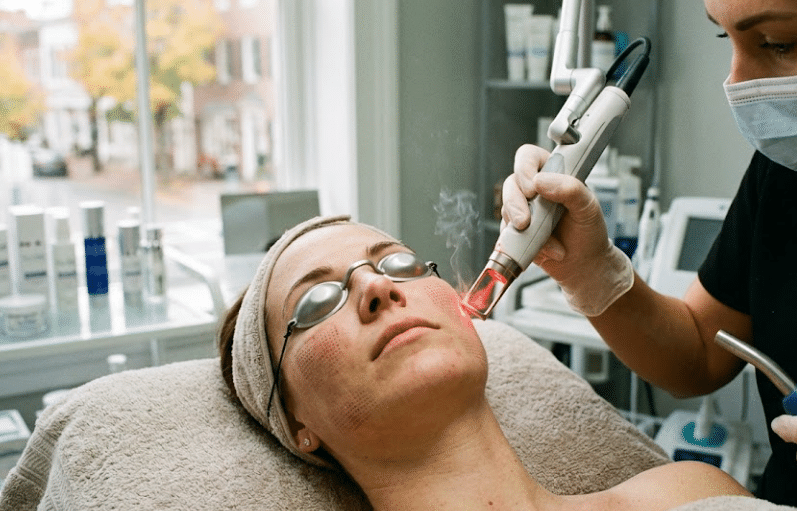
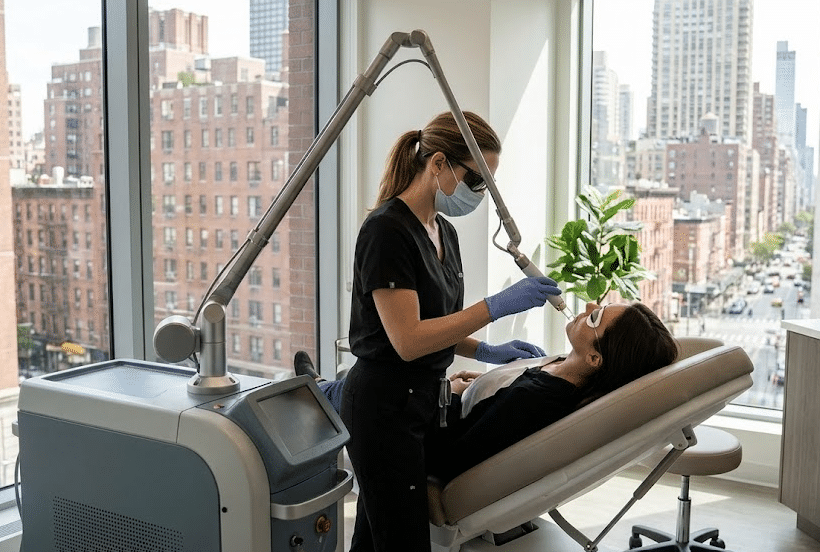
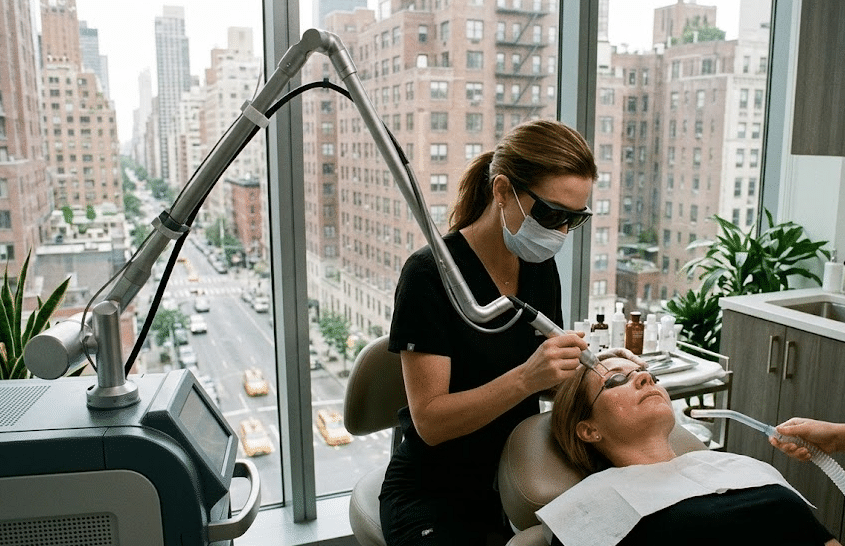
Numbing cream is typically applied first, and the session usually takes less than an hour, depending on the area. People describe the sensation as warm, prickly, or like a rubber band snapping against the skin. Eye protection is worn throughout.
Afterward
Expect redness, swelling, and a sunburn-like sensation for several days. Skin may peel or flake as it heals. Fractional treatments typically require about a week of visible recovery, while fully ablative sessions can take two weeks or more. Sunscreen and a gentle moisturizer become your closest friends during this period.
Here is a scenario we often hear. Dana, a teacher in Brooklyn, has lived with acne scars for fifteen years. She schedules her treatment before a long weekend, plans quiet days at home, and keeps her sunscreen nearby. A few weeks later, she notices her makeup applies more smoothly. Her experience is just one example, and results vary from person to person.
Who May Be a Good Candidate?
Anyone considering CO₂ laser NYC services should know that this treatment suits some skin types better than others. People with fair to medium skin tones who have sun damage, scarring, or lines often respond well. Darker skin tones carry a higher risk of pigment changes, so a careful assessment is essential. Active skin infections, certain medications, and a history of keloid scarring can also rule someone out. That is why we start with a conversation rather than a machine.
Why Does Your Provider Matter?
Laser settings such as depth, density, and energy level affect both the outcome and recovery. An experienced provider adjusts those settings to your skin rather than using a preset. At Elcin Aesthetics, we take time to map out your goals and explain each step before anything begins.
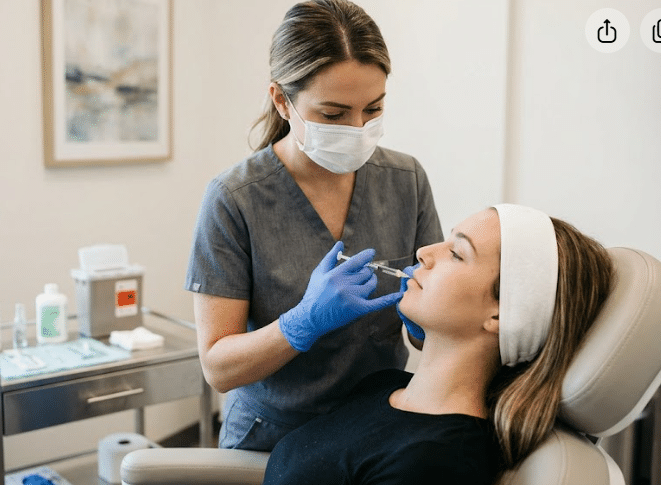
Many clients also ask how laser work fits alongside other treatments. Botox, for example, relaxes the muscles behind expression lines, while resurfacing improves the skin’s surface. They work on different layers, so some people pair them over time, with the timing planned by their provider.
Healing Tips That Make a Difference
A few habits can support recovery. Keep your skin moisturized with whatever your provider recommends. Avoid picking at flaky skin, even when it is tempting. Stay out of direct sun and wear broad-spectrum sunscreen daily. Skip strong actives like retinoids until you are cleared to restart them.
Patience counts, too. Pinkness can linger for weeks, and collagen continues to build for months. Many people notice their skin looks smoother and firmer gradually rather than overnight.
Final Perspective
Understanding how CO₂ laser NYC treatment works takes much of the mystery out of it. The laser removes worn surface layers, and your body responds by building new collagen over time. It is a real commitment, but for the right person, it can be meaningful.
If you are curious whether it suits your skin, we would love to talk. Book a consultation with Elcin Aesthetics, and we will go over your goals, your skin history, and your options at a pace that feels comfortable.
Frequently Asked Questions
1. What skin concerns can CO₂ laser NYC treatment address?
CO₂ laser resurfacing may help improve the appearance of acne scars, fine lines, wrinkles, uneven skin texture, sun damage, enlarged-looking pores, and uneven tone.
2. How long does recovery take after CO₂ laser treatment?
Recovery varies depending on the treatment approach and intensity. Fractional treatments may involve about a week of visible recovery, while fully ablative treatments can require two weeks or longer.
3. Is CO₂ laser treatment suitable for every skin type?
Not necessarily. Skin tone, medical history, medications, scarring history, and other factors can affect candidacy. A professional consultation is important before treatment.
4. What should I expect after a CO₂ laser NYC treatment?
Redness, swelling, peeling, and a sunburn-like sensation can occur during healing. Following aftercare instructions, protecting the skin from sunlight, and using recommended skincare can support recovery.
5. How should I prepare for CO₂ laser resurfacing?
Your provider may recommend limiting sun exposure, adjusting certain skincare products, and discussing medications, previous treatments, cold sores, or scarring tendencies before your appointment.