When we invest in professional acne scar treatment, we do everything we can to make sure that investment pays off. Acne scar treatment results often depend on more than just the procedure itself. Whether you are working through a series of laser resurfacing sessions, microneedling appointments, or chemical peels, the results you see in the …

When we invest in professional acne scar treatment, we do everything we can to make sure that investment pays off. Acne scar treatment results often depend on more than just the procedure itself. Whether you are working through a series of laser resurfacing sessions, microneedling appointments, or chemical peels, the results you see in the mirror depend on more than just the procedure itself. The way we live between appointments, what we eat, how we sleep, and how we care for our skin day to day has a direct and measurable impact on how well the skin heals and how visible the improvements become.
At Elcin Aesthetics, located in New York, United States, we believe that informed clients achieve better outcomes. Here is a closer look at the key lifestyle factors that can support or slow down your skin’s healing process.
1. Diet: Feeding Your Skin From the Inside Out
Skin repair is a metabolically demanding process. After procedures like laser resurfacing or microneedling, the body needs adequate protein to synthesize collagen, vitamin C to cross-link collagen fibers, and zinc to regulate inflammation and cellular turnover. Diets high in refined sugars and processed foods spike insulin and promote systemic inflammation, the exact environment that slows wound healing and can even trigger new breakouts.
We recommend prioritizing leafy greens, lean proteins, berries, and omega-3-rich foods like salmon and walnuts during your recovery period. These support the fibroblast activity that underlies lasting skin remodeling. Cutting back on dairy and high-glycemic foods can also help keep post-treatment inflammation manageable.
2. Sleep: The Body’s Primary Repair Window
During deep sleep, the body releases growth hormone, which directly stimulates tissue repair and collagen production. Consistently getting fewer than seven hours a night can suppress this hormonal activity and increase cortisol, a stress hormone that degrades existing collagen and prolongs inflammation.
For clients undergoing acne scar treatment, especially in the days immediately following a procedure, we suggest prioritizing seven to nine hours of quality sleep per night. Sleeping on a clean pillowcase and avoiding sleeping on the treated area can also prevent unnecessary friction and bacterial exposure on freshly treated skin.
3. Sun Exposure: A Significant Threat to Healing Skin
UV radiation is one of the most harmful variables after any skin resurfacing procedure. Freshly treated skin has a compromised barrier and heightened sensitivity to ultraviolet light. UV exposure stimulates melanocytes, the cells responsible for pigment, which can lead to post-inflammatory hyperpigmentation (PIH), essentially trading one type of discoloration for another.
We always advise wearing a broad-spectrum SPF 30 or higher every morning, regardless of the weather or season. Wearing protective clothing and avoiding direct sun exposure during peak hours (10 a.m. to 4 p.m.) significantly reduces your risk of setbacks during a treatment series.
4. Smoking: How It Undermines Skin Healing
Smoking constricts blood vessels and reduces oxygen delivery to skin tissue. Since healing after procedures like chemical peels or laser therapy depends on adequate microcirculation, smoking can significantly impair and delay the repair process. Nicotine also suppresses collagen synthesis, directly working against the remodeling we are trying to stimulate with acne scar treatment.
If you smoke, we strongly encourage discussing smoking cessation options with your primary care provider before beginning a treatment plan. Even reducing consumption in the weeks surrounding each session can meaningfully support better outcomes.
5. Skincare Routine: What to Use, and What to Avoid
A well-structured at-home skincare routine works in partnership with your in-office acne scar treatment. Retinoids, exfoliating acids, and certain active ingredients can accelerate cell turnover and support collagen production, but timing matters. Using these actives too soon after a procedure can cause over-exfoliation, barrier disruption, and irritation.
During the immediate recovery window (usually three to seven days post-procedure), we recommend a gentle cleanser, a fragrance-free moisturizer, and SPF. Once the skin has stabilized, your provider can guide you on reintroducing growth-supportive ingredients like niacinamide, peptides, and retinoids. Harsh physical scrubs, astringents, and fragranced products should be avoided throughout your treatment series.
6. Stress: The Hormonal Pathway That Slows Repair
Chronic stress activates the hypothalamic-pituitary-adrenal (HPA) axis, flooding the body with cortisol. Higher cortisol does two things that directly impact your acne scar treatment results: it breaks down collagen fibers and disrupts the skin barrier. It can also trigger sebaceous gland activity, which may lead to new breakouts and further scarring during an active treatment plan.
Incorporating stress management practices, whether mindfulness, moderate exercise, journaling, or therapy, is not just good for mental health. It is genuinely supportive of your skin’s healing biology. For clients who receive complementary services such as Botox, which can also ease tension in the face and reduce stress-related facial strain; the combined effect on skin quality can be meaningful.
7. Hydration: Water as a Healing Tool
Skin hydration supports keratinocyte function, the cells responsible for skin barrier integrity and healing. When the body is dehydrated, skin cells cannot divide and migrate as efficiently, which slows wound closure and reduces the effectiveness of collagen-stimulating procedures like microneedling.
We recommend aiming for at least eight glasses of water daily during your treatment series, and more if you are exercising or living in a dry climate. Hyaluronic acid serums applied topically can supplement hydration at the surface level, especially during the first few days post-treatment when the skin is most vulnerable to transepidermal water loss.
8. Alcohol and Caffeine: Small Adjustments, Real Impact
Alcohol is a vasodilator and a diuretic; it increases skin redness and dehydrates the body simultaneously. In the days surrounding a procedure, alcohol consumption can worsen post-treatment redness, prolong swelling, and compromise the skin’s recovery. Caffeine, while less impactful, can also contribute to dehydration if consumed in excess.
We generally advise avoiding alcohol for at least 48 hours before and after any resurfacing procedure. Moderate caffeine intake is typically fine, provided you are counterbalancing it with adequate water.
9. Exercise: A Helpful Habit With Important Timing
Regular moderate exercise improves circulation, lowers cortisol, and supports immune function, all of which benefit skin health over the long term. However, in the 24 to 48 hours after procedures such as microneedling, intense workouts can be counterproductive. Increased body temperature, sweating, and increased blood flow can introduce bacteria into open microchannels and intensify inflammation in freshly treated tissue.
We advise clients undergoing microneedling to avoid strenuous activity for at least 24 to 48 hours after treatment. Light walking is generally fine, but hot yoga, swimming, or high-intensity interval training should be paused temporarily for optimal healing.
Consistency Is the Foundation of Results
At Elcin Aesthetics, we regularly see how much a client’s daily habits influence the pace and quality of their progress. Two people with similar skin types undergoing the same acne scar treatment can have noticeably different outcomes, depending entirely on how they support their bodies between sessions. Procedures provide the biological stimulus for change; lifestyle habits determine how fully the skin responds to that stimulus.
Skincare is not passive. The choices we make about food, rest, sun protection, and stress management are active decisions that either support or undermine healing. When clients commit to these habits, we consistently see faster recovery, more pronounced collagen remodeling, and results that last longer.
Ready to Get Started? Let us Build Your Plan Together.
If you are considering or undergoing acne scar treatment in New York, we would love to discuss creating a comprehensive approach that addresses both your in-office procedures and your at-home habits. Our team at Elcin Aesthetics, located in New York, United States, is here to guide you through every step of the process, from your initial skin analysis to ongoing support between sessions.
Client Experience: Emily R.
I’m Emily, a 29-year-old graphic designer from New York, and I came to Elcin Aesthetics after struggling with lingering acne scars that affected my confidence in both social and professional settings. I had already tried multiple over-the-counter products but saw minimal change and wanted a more structured approach.
During my consultation, I appreciated how clearly my treatment plan was explained, including how acne scar treatment works alongside lifestyle habits such as sleep, diet, and sun protection. Understanding the “why” behind each recommendation really helped me stay consistent between appointments.
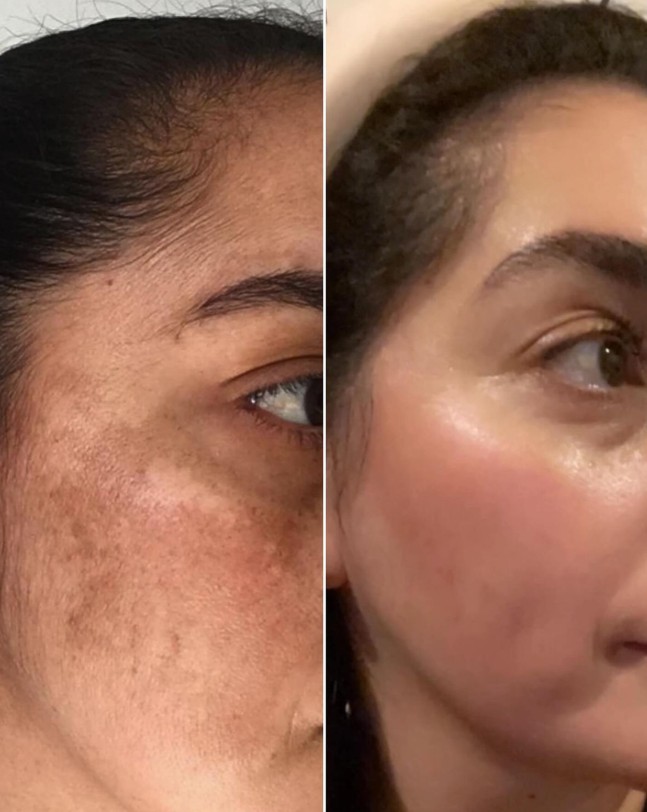
After a few sessions, I began noticing gradual improvements in my skin texture and tone. What stood out most to me was not just the visible change, but how supported I felt throughout the process. Following the guidance on skincare habits made me feel more in control of my results.
By the end of my initial treatment series, I described my skin as smoother and more even, and I felt significantly more comfortable without makeup in daily life.
FAQ
1. How long does acne scar treatment take to show results?
Results vary depending on the treatment type and skin condition, but most clients notice gradual improvements over several sessions rather than immediately after one procedure.
2. Do lifestyle habits really affect acne scar treatment outcomes?
Yes, daily habits such as sleep, diet, sun protection, and stress levels can significantly influence how well the skin heals and responds to treatment.
3. Can I wear makeup after acne scar treatment?
Makeup is usually avoided for a short period after treatment, depending on the procedure. Your provider will give specific timing based on your skin’s recovery.
4. What should I avoid after acne scar treatment?
Common recommendations include avoiding sun exposure, intense exercise, alcohol, and harsh skincare products during the initial healing phase.
5. Is acne scar treatment permanent?
While treatment can significantly improve skin texture and appearance, long-term results depend on ongoing skincare habits and sun protection.
Book an Appointment
It’s easy and free!
Tags:Acne Scar Treatment