Natural-looking lip volume has less to do with the product in the syringe than with the decisions made before it is ever opened. A careful lip filler clinic treats every case as an anatomical question first, determining what a mouth is actually missing before deciding how much to add. That distinction is easy to …

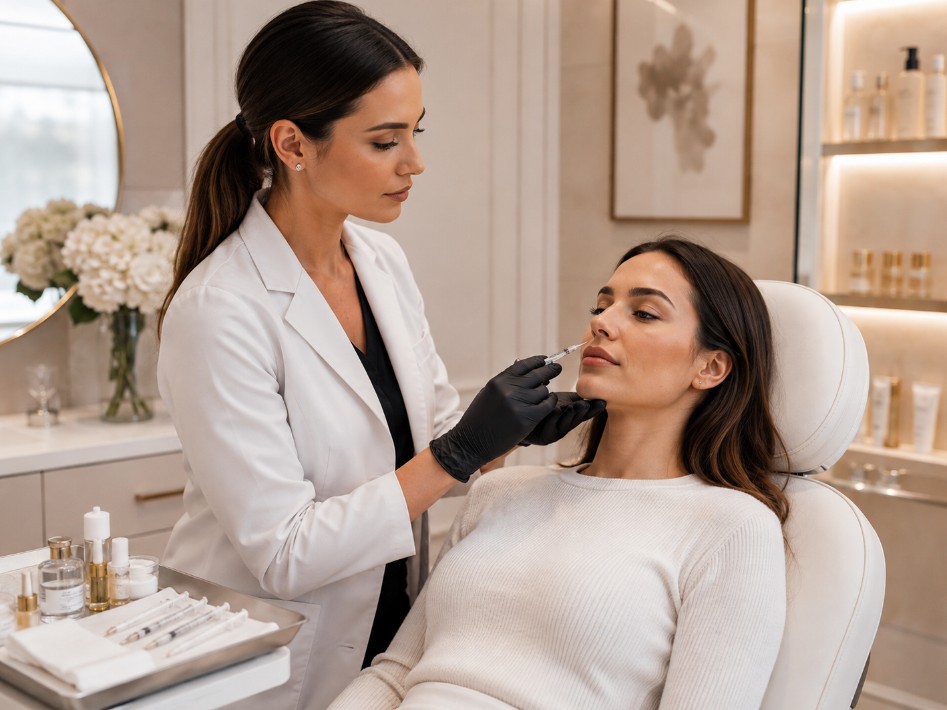
Natural-looking lip volume has less to do with the product in the syringe than with the decisions made before it is ever opened. A careful lip filler clinic treats every case as an anatomical question first, determining what a mouth is actually missing before deciding how much to add.
That distinction is easy to miss from the patient’s chair. Two people can receive the same amount of the same gel and walk out looking nothing alike because placement, depth, and layering carry more weight than quantity. Providers around the Upper East Side hear the same request phrased in dozens of ways: softer, fuller, or better defined, but nobody should be able to tell.
Anatomy Assessment Comes Before Anything Else
The structures that set shape
Before any product is selected, an experienced injector maps the features that define a mouth’s character. The vermilion border, the philtral columns running down from the nose, the cupid’s bow, and the wet-dry junction each contribute something different to the finished shape. Volume placed without regard for those landmarks tends to read as generic rather than personal.
A professional lip filler clinic should begin with facial mapping rather than choosing a syringe first. This helps the provider understand how the lips relate to the chin, nose, cheeks, and smile before any product is placed.
Support from underneath
Lips rest on a foundation of teeth, bone, and muscle, and that foundation changes with age. Reduced dental support, a recessed chin, or thinning skin around the mouth all affect how added volume behaves as it settles. When the base has receded, filling the surface alone can push tissue forward rather than outward, which is usually where an overfilled appearance begins.
How does the mouth move?
Assessment at rest is only half the picture. A careful practitioner watches the patient speak, smile widely, purse, and relax because muscle pull determines where the product will sit and where it will drift. A shape that looks balanced in a still photograph can distort in animation if movement was not part of the assessment.
Matching the Product to the Tissue
Hyaluronic acid gels are not interchangeable. They differ in firmness, cohesivity, particle size, and water-attracting capacity, and each of those properties has a practical consequence in soft, mobile tissue. Flexible gels tend to suit the body of the lip, where movement is constant, while firmer products hold a crisper line along the border.
At Elcin Aesthetics, as at any considered practice, product choice follows the assessment rather than preceding it. Someone seeking definition rather than fullness may need very little volume placed precisely along the outline, while a patient with genuine tissue thinning may need a hydrating gel throughout the body and no volume at the border at all.
How much water a gel draws in after placement matters just as much. Products that attract more moisture can look modest on the day of treatment and noticeably fuller a week later, so an injector who understands that curve doses for where the result will land, not for how it looks in the chair.
The right lip filler clinic will not treat every patient with the same product or the same amount. Product choice should depend on tissue thickness, movement, existing shape, and whether the goal is definition, hydration, or subtle volume.
Technique and Placement Decisions
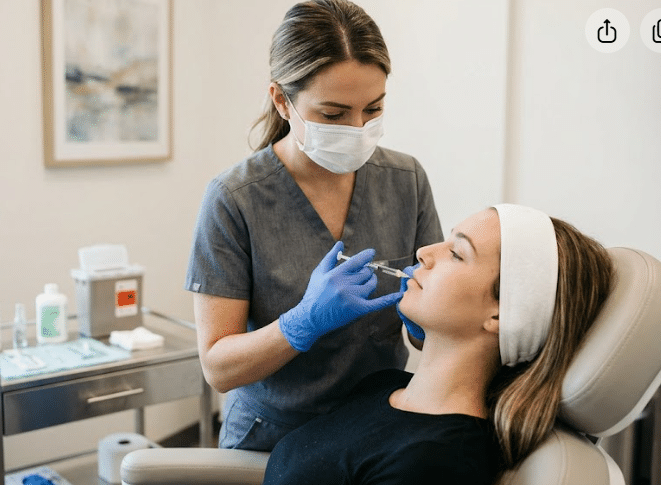
A careful lip filler clinic pays close attention to placement depth, injection technique, and symmetry checks throughout the appointment. Small adjustments during treatment often make the final result look more balanced once swelling subsides.
Needle or cannula
Neither instrument is universally better. A fine needle allows precise deposits at specific points and suits detailed border work. At the same time, a blunt cannula passes through tissue with fewer entry points and can reduce bruising over broader areas. Many injectors use both within a single session, choosing per area rather than per patient.
Depth and layering
Depth is arguably the most consequential variable of all. Product applied too superficially can appear as small ridges or a faint bluish tinge, while product applied too deeply may produce no visible effect. Layering small amounts across the correct planes produces a smoother contour than a single generous deposit ever will.
How Does A Considered Session Tend to Run?
- Photographs and landmark mapping, both at rest and in movement
- A conversation about what should change and what should stay the same
- Topical numbing, then aseptic preparation of the treatment area
- Small, staged deposits with frequent pauses to check symmetry
- Aftercare instructions and a scheduled review window
Volume Calibrated to Proportion, Not to a Template
The most common cause of an artificial outcome is a fixed idea of what a mouth should look like. Facial proportions are individual: the width of the mouth relative to the nose and cheeks, the balance between the upper and lower lips, and the amount of tooth shown in a full smile all affect what a given quantity of product will do.
A provider working proportionally may deliberately leave part of a syringe unused. Restraint is often the harder clinical decision, especially when a patient arrives with photographs of someone whose bone structure differs from their own. In an Upper East Side practice, staging treatment conservatively across appointments allows tissue to settle and be reviewed before more is placed.
Where Do Neuromodulators Fit Alongside Fillers?
Some concerns respond better to muscle relaxation than to added volume. A small, carefully dosed Botox treatment near the upper lip can roll the edge slightly outward, softening a thin appearance without introducing anything into the tissue. Downturned corners and a high gum line when smiling are muscular patterns, not volume deficits.
Recognizing which tool suits which problem is part of the assessment, not an upsell. Botox and dermal fillers are not substitutes for one another, and using volume to correct a muscular concern is a reliable way to produce the heavy look most patients are trying to avoid.
Follow-Up Is Part of the Result
Swelling in the first few days after treatment is not the outcome. A review after the tissue has settled lets the injector judge symmetry honestly and make small corrections. That second look is often where an acceptable result becomes a natural one.
Practices that keep hyaluronidase on hand and mention it openly signal a different attitude toward risk than those that avoid the subject. Reversibility is one of the genuine advantages of hyaluronic acid, and anyone treated on the Upper East Side is entitled to ask how a provider handles asymmetry, nodules, or a result the patient simply does not like.
Choosing a lip filler clinic should come down to clinical judgment, communication, and restraint. Patients should feel comfortable asking what the provider would recommend, what they would avoid, and how follow-up care is handled.
Questions That Reveal Clinical Judgment
- Which product is going into each area, and the reasoning behind it.
- How the plan accounts for the patient’s own facial proportions.
- What the provider would decline to do, and on what grounds.
- How complications are managed and who is reachable afterwards.
Clear answers to those questions usually indicate an injector thinking anatomically rather than commercially. Elcin Aesthetics and other practices that work this way tend to raise the subject of restraint early in the conversation rather than at the end.
Natural volume and shape follow from judgment applied in a specific order: anatomy, then product, then technique, and only then quantity. Anyone weighing treatment at Elcin Aesthetics or elsewhere on the Upper East Side is best served by a consultation that opens with an assessment rather than a price list and by a provider willing to say when the honest answer is less.
Client Experience: Sophia’s Natural Lip Filler Consultation
My name is Sophia, and I came to Elcin Aesthetics because I wanted my lips to look softer and more balanced, not obviously filled. I was nervous because I had seen results that looked too heavy, and I did not want my mouth to lose its natural shape.
During my consultation, the injector looked at my lips while I spoke, smiled, and relaxed my face. That made me feel like the plan was being made for my actual features rather than based on a standard lip shape. We talked about the border, symmetry, and the areas that needed very small adjustments.
What I appreciated most was the restraint. I was told that using less product in the right places would suit my face better than adding volume everywhere. After the treatment settled, my lips still looked like mine, just smoother, more defined, and better balanced.
FAQs
What should patients look for in a lip filler clinic?
Patients should look for a clinic that begins with a facial assessment, explains product choice clearly, reviews movement as well as still appearance, and gives honest guidance about what will look natural.
How can a lip filler clinic create natural-looking volume?
A lip filler clinic can create natural-looking volume by placing small amounts of product in the right areas, matching the filler to the tissue, and keeping the lips in balance with the rest of the face.
Is lip filler only used to make lips bigger?
No. Lip filler can also support definition, hydration, smoother borders, and better symmetry. Some patients need very little added volume to reach a softer, more balanced result.
Why does follow-up matter after lip filler?
Follow-up matters because swelling in the first few days is not the final result. A review after the lips settle allows the injector to check symmetry, comfort, and overall shape.
How do patients avoid an overfilled lip filler result?
Patients can reduce the risk of an overfilled look by choosing a provider who values proportion, uses conservative amounts, explains placement decisions, and is willing to say when less product is the better choice.
Book an Appointment
It’s easy and free!